
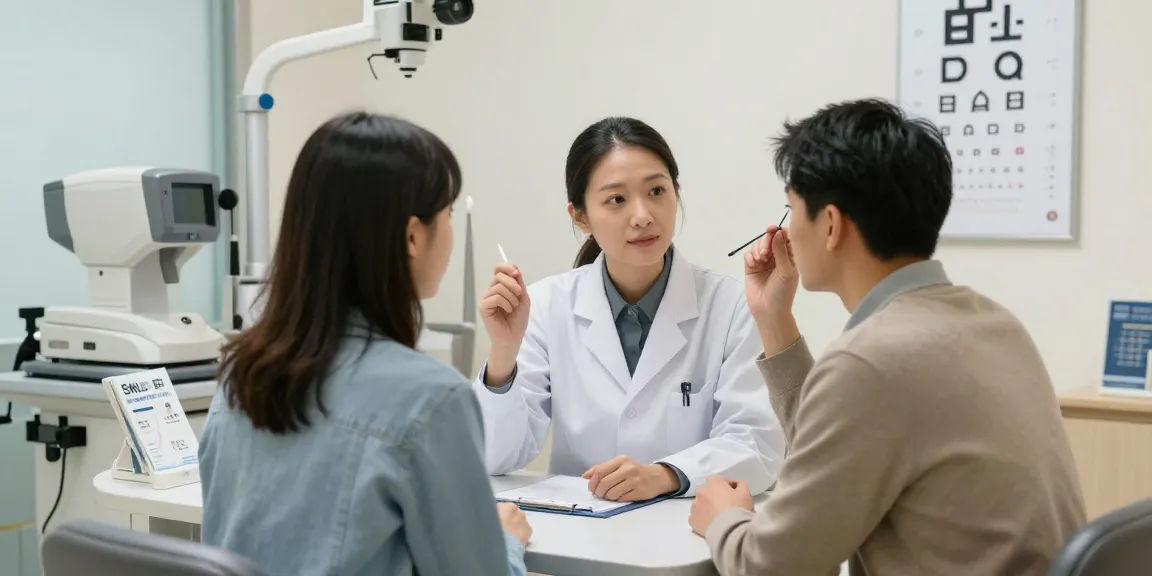
Understanding Eye Health: The Foundation of Your Vision
Your vision is one of your most treasured senses, playing a vital role in how you perceive the world around you. Yet, many individuals neglect their eye health, unaware of the potential issues lurking just beneath the surface. At SNU Eye Clinic, we strive to educate our patients on the importance of eye care. Engaging with your eye health proactively can yield long-term benefits, ensuring a brighter and clearer future. When exploring options, snuseoul provides comprehensive insights into effective eye health management.
What are the Common Eye Conditions?
Understanding common eye conditions is essential for maintaining optimal eye health. Some prevalent issues include:
- Myopia (Nearsightedness): A condition where distant objects appear blurry.
- Hyperopia (Farsightedness): Difficulty focusing on close objects.
- Astigmatism: Distorted vision due to an irregularly shaped cornea.
- Cataracts: Clouding of the lens, leading to vision impairment.
- Glaucoma: Increased intraocular pressure that can damage the optic nerve.
By recognizing these conditions early on, individuals can seek timely treatment, which may range from corrective lenses to advanced surgical interventions.
Why Regular Eye Exams are Crucial?
Regular eye examinations are not just for those who wear glasses or contact lenses; they are crucial for everyone. Through comprehensive exams, eye care professionals can detect early signs of eye diseases that may not present immediate symptoms. This proactive approach can prevent irreversible vision loss. It is generally recommended to schedule an eye exam at least once every two years, and more often if you have pre-existing conditions or a family history of ocular diseases.
The Impact of Diet on Eye Health
Diet plays a significant role in eye health. Nutrient-rich foods can help protect your eyes from disruptions and conditions such as macular degeneration and cataracts. Incorporate the following foods into your diet to promote eye health:
- Carrots: Rich in beta-carotene, which helps improve night vision.
- Leafy greens: Spinach and kale contain lutein and zeaxanthin, antioxidants that filter harmful blue light.
- Fish: Omega-3 fatty acids found in salmon and flaxseeds support retinal health.
- Citrus fruits: Vitamin C-rich foods like oranges and lemons can reduce the risk of cataracts.
Key Treatments Offered at SNU Eye Clinic
Personalized Vision Correction Methods
At SNU Eye Clinic, we recognize that each patient has unique vision needs. That’s why we offer 1:1 personalized vision correction methods tailored to individual requirements. Options include LASIK, PRK, and advanced ICL (Implantable Collamer Lens) procedures. Our approach ensures that we can address a wide array of visual impairments, from mild refractive errors to complex vision problems.
Detailed Tests: What to Expect?
Patients can expect a comprehensive evaluation during their visit, including over 52 detailed tests categorized into seven critical areas:
- Visual Acuity: Assessing clarity and sharpness of vision.
- Refraction Tests: Determining the appropriate lens prescription.
- Ocular Pressure Measurement: Checking for glaucoma risks.
- Retinal Examination: Inspecting the back of the eye for any abnormalities.
- Corneal Topography: Mapping the curvature of the cornea to diagnose astigmatism.
- Color Vision Testing: Evaluating color blindness and perception issues.
- Binocular Vision Analysis: Assessing how well both eyes work together.
These tests are designed to provide a comprehensive understanding of your eye health, ensuring accurate diagnoses and effective treatment plans.
Innovative Surgeries Performed
With over 50,000 surgeries performed, SNU Eye Clinic is at the forefront of advanced eye surgery techniques. Our surgical portfolio includes:
- LASIK: A laser procedure that reshapes the cornea for improved vision.
- PRK: A surface laser treatment ideal for those with thin corneas.
- ICL: A lens implanted inside the eye for long-term vision correction.
- Toric ICL: Designed specifically for astigmatism correction.
Our team utilizes the latest technology and techniques to ensure that each patient receives the best possible outcomes from their procedures.
Why Choose SNU Eye Clinic for Your Eye Care Needs?
Track Record of Surgeries: Numbers that Matter
Choosing the right clinic for eye care is critical, and SNU Eye Clinic stands out with an impressive track record. With over 50,000 surgeries successfully performed, our clinic prioritizes patient safety and efficacy in outcomes. Our comprehensive surgical history underscores our commitment to advancing eye care in Korea and beyond.
Advanced Technological Capabilities
At SNU Eye Clinic, we pride ourselves on our cutting-edge technology. Our equipment is continually upgraded to reflect advancements in the field of ophthalmology. Technologies such as femtosecond laser and wavefront-guided LASIK enhance precision and improve surgical outcomes. These innovations allow our surgeons to perform minimally invasive procedures with remarkable accuracy.
Expert Team and Their Credentials
Our team of ophthalmologists is comprised of highly trained and experienced medical professionals dedicated to delivering exceptional eye care. Each surgeon at SNU Eye Clinic has undergone rigorous training and possesses specialized skills in various fields of ophthalmology, ensuring that you are in capable hands. Our team’s credentials include numerous certifications, fellowships, and participation in leading international eye care forums.
Patient Experiences and Success Stories
Case Studies of Vision Restoration
Real patient experiences highlight the life-changing impact of our treatments. For instance, a patient who struggled with myopia for years shared how LASIK transformed her daily life, allowing her to engage in activities without relying on glasses. Another patient with cataracts experienced significant improvement in vision post-surgery, stating that he felt like he had regained his youth.
Testimonials: Real Patients, Real Results
Countless testimonials from satisfied patients reflect our commitment to excellence in eye care. One patient remarked, “The staff at SNU Eye Clinic was incredibly supportive and professional. My vision after the toric ICL surgery is now better than ever!” Testimonials like these reinforce our dedication to providing top-notch care.
Navigating Your Journey: From Consultation to Recovery
Choosing eye surgery can be daunting, but our team is here to guide you through every step of the process, from your initial consultation to post-operative care. We provide personalized follow-up appointments, ensuring that you feel supported throughout your recovery journey.
Looking Ahead: Trends in Eye Care for 2026
Emerging Technologies in Eye Treatment
As we look towards 2026, the field of ophthalmology is expected to see significant advancements. Emerging technologies such as artificial intelligence (AI) and machine learning are anticipated to enhance diagnostic accuracy and treatment customization. With ongoing research and development, the future holds promising innovations that could revolutionize how we approach eye care.
Predictions for Eye Health Awareness
Increased awareness about the importance of eye health is predicted to rise. As digital devices become omnipresent in daily life, more individuals are beginning to recognize the need for regular eye check-ups and preventive measures against digital eye strain. Educational campaigns will likely play a crucial role in fostering this awareness nationwide.
Future of Personalized Eye Care Solutions
Personalized medicine is making waves in many health sectors, and eye care is no exception. Future treatment plans will likely rely on genetic assessments and individualized data to tailor methods that cater specifically to each patient’s unique ocular profile. This personalized approach aims to optimize treatment efficacy and patient satisfaction.
What are the Most Common Questions about Eye Care?
Patients often have many questions regarding eye health. Common inquiries include:
- How often should I have my eyes checked? Generally, every two years, or more frequently if you have risk factors.
- What are the signs of serious eye conditions? Sudden vision changes, pain, and floaters may indicate issues that require immediate attention.
How Can I Optimize My Eye Health?
To maintain optimal eye health, consider the following strategies:
- Maintain a balanced diet rich in vitamins and antioxidants.
- Practice the 20-20-20 rule to reduce digital eye strain.
- Wear sunglasses to protect against UV rays.
- Avoid smoking, as it increases the risk of eye diseases.
Are There Risks Involved with Eye Surgery?
Like any surgical procedure, eye surgeries come with potential risks. However, advancements in technology have greatly minimized these risks. Common risks include infection, dry eyes, and vision fluctuations. Discussing these concerns with your surgeon can help you make an informed decision.
What Should I Expect During an Eye Examination?
During a comprehensive eye exam, expect a series of tests that assess your vision and eye health. The process typically involves measuring visual acuity, assessing eye pressure, and evaluating the retina. Your eye care professional will discuss your results and any necessary next steps.
How to Choose the Right Eye Care Specialist?
Finding the right eye care specialist is crucial for your visual health. Consider the following tips:
- Look for board-certified ophthalmologists.
- Read reviews and patient testimonials.
- Assess the clinic’s technology and treatment options.
What Are the Latest Innovations in Vision Correction?
Innovations in vision correction are continually evolving. Techniques such as SMILE (Small Incision Lenticule Extraction) and ZLASIK represent the latest breakthroughs that enhance safety and recovery times. These advancements reflect the ongoing commitment to improving patient care in the field of ophthalmology.