
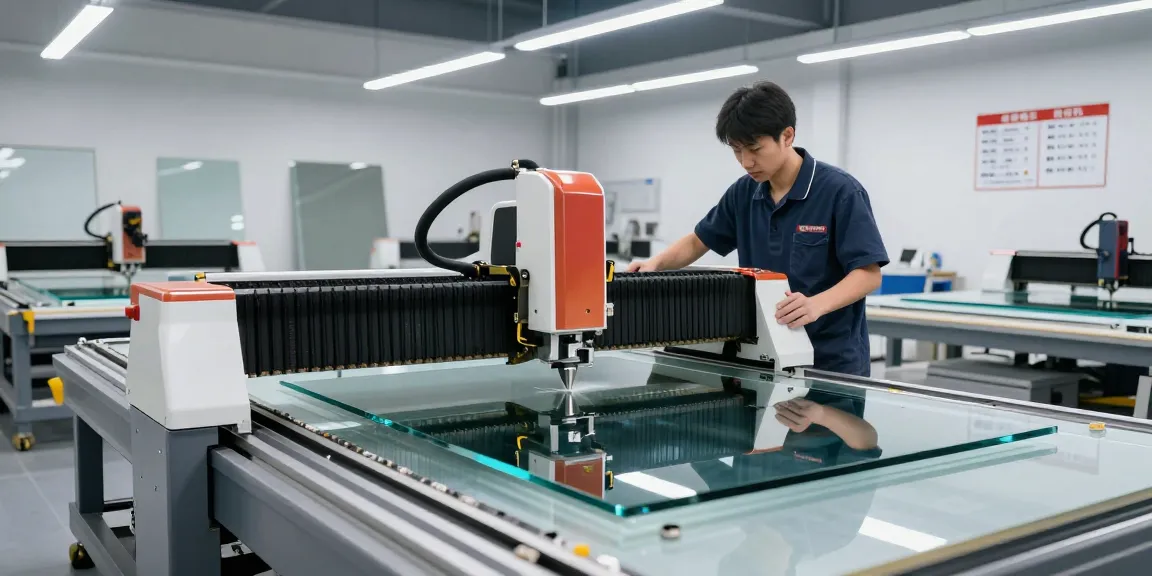
Understanding CNC Glass Cutting Machines
CNC glass cutting machines have become essential in the glass processing industry, facilitating precision and efficiency that traditional methods cannot match. These advanced systems employ computer numerically controlled technology to automate the glass cutting process, allowing for intricate designs and shapes while minimizing material waste. As manufacturers strive for excellence, incorporating tools like cnc glass cutting machine is crucial for maintaining competitive advantages in today’s fast-paced market.
What is a CNC Glass Cutting Machine?
A CNC (Computer Numerical Control) glass cutting machine is a sophisticated tool designed to cut glass with high precision through computer programming. These machines utilize various cutting technologies, including waterjet cutting, laser cutting, and traditional scoring methods, to achieve desired shapes and sizes. By automating the cutting process, these machines reduce human error and enhance operational efficiency.
How CNC Technology Revolutionizes Glass Processing
The integration of CNC technology in glass processing marks a significant advancement for the industry. CNC machines excel in their ability to execute complex patterns and cuts that would be nearly impossible with manual techniques. This technological evolution not only streamlines production lines but also increases customization options for customers, catering to specific architectural and design needs.
Components of a CNC Glass Cutting System
- Control Software: The brain of the machine, allowing operators to input designs and manage cutting tasks.
- Cutting Head: Equipped with cutting tools or lasers, responsible for performing the actual cutting on the glass material.
- Table Surface: A flat area where the glass is placed during cutting, often featuring a vacuum system for stability.
- Feed System: Mechanisms that move glass into position for cutting, which can be automated for increased efficiency.
Advantages of High-Performance CNC Glass Cutting Machines
Investing in high-performance CNC glass cutting machines brings numerous advantages to manufacturers in the glass processing sector. From enhanced precision to reduced operational costs, these machines are redefining industry standards.
Enhanced Precision and Efficiency
CNC glass cutting machines are renowned for their precision. Unlike manual methods, which can vary widely based on the operator’s skill level, CNC technology consistently produces accurate cuts with minimal variation. This precision translates into higher quality products and less rework, boosting overall operational efficiency.
Reducing Material Waste in Glass Fabrication
One of the most significant benefits of using CNC technology in glass cutting is the reduction of material waste. The ability to program complex cut patterns allows manufacturers to optimize the use of raw glass sheets, conserving resources and ultimately lowering production costs.
Integration with Automated Systems
High-performance CNC machines can be seamlessly integrated with other automated systems, such as glass washing and tempering machines. This integration creates a more streamlined production process, allowing for greater throughput and efficiency. When paired with intelligent software, manufacturers can track productivity metrics and optimize operations in real-time.
Challenges in CNC Glass Cutting Machine Implementation
While the advantages of CNC glass cutting machines are clear, implementing this technology does come with certain challenges that manufacturers must address to ensure successful integration into their operations.
Common Misconceptions about CNC Technology
Many manufacturers may hold misconceptions about CNC technology, fearing that it requires significant upfront investment or extensive training. However, the initial costs are often offset by the long-term efficiency gains, making CNC glass cutting machines a sound investment for most operations.
Overcoming Initial Setup and Training Challenges
Setting up a CNC glass cutting machine can be a complex process that requires skilled technicians. Additionally, training operators to effectively use the technology is crucial. Providing thorough training ensures that employees can maximize the machine’s capabilities while minimizing risks associated with its operation.
Maintenance and Operational Costs
Regular maintenance is essential for CNC glass cutting machines to operate at peak performance. While there may be ongoing costs associated with maintenance and parts replacement, these are typically outweighed by the benefits of decreased downtime and improved production rates.
Best Practices for Operating CNC Glass Cutting Machines
To fully realize the benefits of CNC glass cutting technology, manufacturers should adopt best practices for setup, operation, and maintenance. These practices can lead to enhanced performance and longevity of equipment.
Key Considerations for Setup and Calibration
Proper setup and calibration of CNC glass cutting machines are critical for ensuring accuracy. Regularly checking the alignment and calibrating cutting tools will prevent deviations in cutting quality, which can lead to significant material waste and production inefficiencies.
Safety Protocols in Glass Processing
Safety should always be a top priority in glass processing operations. Implementing stringent safety protocols, such as protective equipment for operators and emergency shut-off systems, can help mitigate the risks associated with handling glass and operating machinery.
Regular Maintenance Tips for Longevity
To prolong the life of CNC glass cutting machines, manufacturers should establish a routine maintenance schedule. This includes regular inspections, cleanings, and software updates to ensure the machinery operates smoothly and efficiently over time.
Future Trends in CNC Glass Cutting Technology
The glass processing industry is continually evolving, and CNC glass cutting technology is at the forefront of this transformation. Anticipating future trends will help manufacturers remain competitive and innovative.
Emerging Innovations in 2026 and Beyond
As technology advances, CNC glass cutting machines are expected to incorporate even more sophisticated features, such as AI-driven optimization tools and enhanced user interfaces. These innovations will enable operators to design and execute complex cuts more efficiently than ever.
Impact of Industry 4.0 on Glass Manufacturing
Industry 4.0, characterized by automation and data exchange in manufacturing technologies, is influencing glass processing. CNC machines will increasingly integrate IoT capabilities, allowing for remote monitoring and analytics that enhance operational efficiency and predict maintenance needs.
Forecasting Demand for Sustainable Practices
As sustainability becomes a priority across industries, CNC glass cutting machines will play a crucial role in reducing waste and energy consumption. Companies that adopt sustainable practices will not only appeal to eco-conscious consumers but also improve their overall operational efficiency.
What are CNC glass cutting machines used for?
CNC glass cutting machines are versatile tools widely used for cutting glass sheets into various shapes and sizes for applications ranging from architectural glass to automotive glazing and electronics. Their precision makes them ideal for custom projects that require intricate designs.
How to choose the right CNC glass cutting machine?
Choosing the right CNC glass cutting machine involves assessing the specific requirements of your operation, including the types of glass you will be working with, the volume of production, and the desired level of automation. Evaluating compatibility with existing systems and potential for future upgrades is also essential.
What is the cost range of CNC glass cutting machines?
The cost of CNC glass cutting machines can vary significantly based on factors such as machine size, features, and manufacturer. Entry-level models may start at around $40,000, while high-end systems with advanced capabilities can exceed $200,000.
How to maintain a CNC glass cutting machine?
Maintaining a CNC glass cutting machine involves regular cleaning, lubrication of moving parts, calibration checks, and software updates. A detailed maintenance log can help track service intervals and identify potential issues before they lead to downtime.
What advancements can we expect in the CNC glass cutting industry?
Future advancements in CNC glass cutting technology are likely to include developments in automation, AI integration for improved decision-making, and enhancements in cutting speed and quality. As manufacturers continue to seek efficiencies, the technology will evolve to meet these demands.