
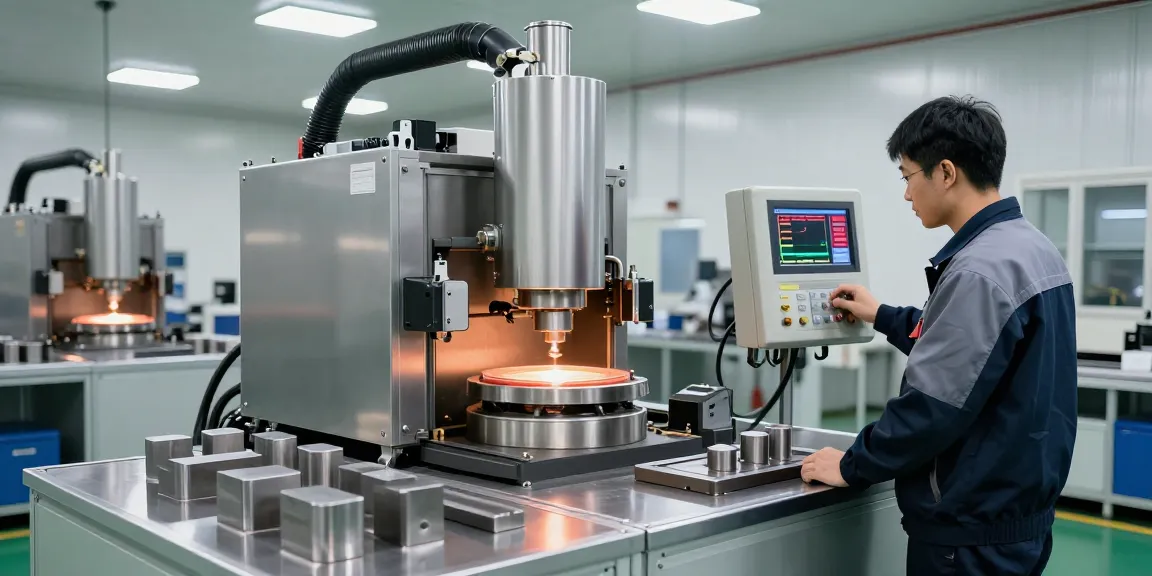
Understanding Induction Furnace Technology
An induction furnace is a type of electric furnace that utilizes electromagnetic induction to heat and melt metals, allowing for a cleaner and more efficient metalworking solution. By leveraging advanced technology, induction furnaces have become integral in various industries, including metal processing, automotive, and jewelry making. The unique virtues of induction heating technology have led to its growing adoption across sectors that demand precision and energy efficiency. When exploring options, induction furnace systems stand out with their unmatched capabilities in melting and alloying metals.
What is an Induction Furnace?
At its core, an induction furnace is an electrical device that melts metal through the process of induction heating. This method involves the generation of an alternating magnetic field, produced by a coil of wire surrounding the crucible where the metal is placed. As electrical current flows through the coil, it creates a magnetic field that induces an electric current within the metal itself, generating heat. This process is efficient and reduces energy consumption compared to conventional furnaces that rely on combustion methods.
How Does an Induction Furnace Work?
The operation of an induction furnace can be broken down into several key steps:
- Inductive Heating: The induction coil is energized, generating an alternating magnetic field.
- Heating the Metal: The magnetic field induces an electric current in the metallic charge, which heats the metal due to the resistance to this induced current.
- Melting Process: As the temperature rises, the solid metal begins to melt, eventually becoming liquid.
- Pouring or Casting: The molten metal can then be poured into molds for casting or further processing.
Key Components of an Induction Furnace
Induction furnaces consist of several critical components that work seamlessly together to ensure efficient operation:
- Induction Coil: The crucial component that produces the magnetic field.
- Power Supply: Converts standard electrical power into a high frequency needed for induction heating.
- Crucible: This is where the metal is placed to melt. Crucibles can be made from various materials depending on the type of metal being melted.
- Cooling System: Maintains the temperature of the induction coil and other components to prevent overheating.
Benefits of Using Induction Furnaces
The adoption of induction furnaces presents numerous benefits that appeal to various industries, particularly those involved in metal processing and manufacturing.
Energy Efficiency and Cost Savings
Induction furnaces are designed for maximum energy efficiency. With energy conversion rates reaching up to 95%, they minimize electricity waste. The quick startup times significantly reduce operation cycles, leading to lower energy costs and improved productivity. Industries are therefore more attracted to this technology as it aligns with their sustainability goals while enhancing operational efficiency.
Precision Heating and Temperature Control
One of the standout features of induction furnaces is their ability to provide precise temperature control, often within ±1°C. This level of control ensures that the metal reaches the desired melting point without overheating, which can affect its quality. This precision is crucial in applications like steel production, where metallurgical properties must be maintained for structural integrity.
Environmental Impact and Clean Operation
Induction melting is inherently cleaner compared to other methods. There are no open flames or combustion byproducts, making the working environment safer. As regulations around environmental impact become more stringent, industries are investing in cleaner technologies like induction furnaces to reduce their carbon footprint and comply with modern environmental standards.
Common Challenges and Solutions
While induction furnaces offer several advantages, they also come with challenges that need consideration.
Initial Investment and Cost Considerations
The upfront cost of induction furnaces can be higher than traditional furnaces. However, when evaluating the total cost of ownership, including energy savings and maintenance, the long-term benefits often outweigh initial expenditures. Companies should view induction furnaces as investments that will yield substantial returns over time.
Understanding Material Compatibility
Different metals require specific types of induction furnaces and crucibles. It is crucial to assess material compatibility before purchasing or installing an induction melting system to ensure optimal performance and avoid damage to equipment. Consulting with suppliers or manufacturers can provide valuable insights into choosing the right setup.
Overcoming Technical Limitations
Technical challenges, such as coil design and power management, can arise during operation. It is advisable to work closely with manufacturers like Yueqing Kexin Electronic Instrument Co., Ltd. that offer customized solutions and support in designing indiction systems tailored to specific applications.
Customizing Your Induction Furnace Setup
Customization is key to maximizing the benefits of induction furnace technology. Every application is unique, and therefore, setups must be adapted accordingly.
Choosing the Right Specifications
When selecting an induction furnace, consider factors such as the type of metal, the melting capacity required, and the intended application. It is important to select the right power output and coil design based on these criteria to achieve optimal results.
Designing Custom Coils for Specific Applications
Coils can be manufactured in various shapes and sizes to accommodate different melting processes and materials. Custom coil designs can enhance efficiency and improve heat distribution, thereby optimizing the melting performance of the induction furnace.
Scalability for Different Production Needs
Induction furnaces can be modular and scalable, making them suitable for both small-scale operations and large production environments. This flexibility means businesses can adapt their furnaces as production demands change without significant reinvestment in new equipment.
Future Trends in Induction Furnace Technology
The landscape of induction furnace technology is continuously evolving, driven by advancements in materials science, automation, and energy efficiency.
Advancements in Control Systems and Automation
Future induction furnaces will likely integrate more sophisticated control systems, enhancing automation capabilities for monitoring temperature and power management. These advancements will further optimize the melting process and improve overall operational efficiency.
Emerging Materials and Technologies
The introduction of new materials and technologies will also influence future designs of induction furnaces. For example, advances in superconducting materials may provide more efficient coils, while new insulating materials could improve thermal management.
Predictions for the Induction Heating Market in 2026
As industries continue to prioritize energy efficiency and sustainability, the demand for induction heating technology is expected to rise significantly by 2026. Companies that adopt these technologies early will likely gain a competitive advantage, positioning themselves as leaders in eco-friendly and efficient manufacturing practices.
What are the advantages of induction furnaces?
The advantages of induction furnaces include energy efficiency, precision heating, reduced emissions, and flexibility in production. The ability to achieve high levels of temperature control while minimizing energy consumption is particularly attractive for modern manufacturing environments.
How does an induction furnace improve energy efficiency?
Induction furnaces convert up to 95% of the energy used into heat directly in the metal, making them far more efficient than conventional furnaces, which lose significant energy through combustion processes. This inefficiency leads to higher operational costs and greater environmental impact.
Can induction furnaces be used for all metals?
While induction furnaces are highly versatile and can be used for a variety of metals, compatibility must be assessed based on the metal’s melting point and properties. Specific setups may be required for more reactive or higher melting point metals.
What safety features are standard in induction furnaces?
Induction furnaces are equipped with numerous safety features, including over-temperature protection, over-current protection, and fault detection mechanisms. These features help ensure safe operation and minimize risks associated with equipment failure.
What maintenance is required for induction furnaces?
Regular maintenance is essential for the longevity of induction furnaces. For more information, induction heater offers valuable insights. This includes checking the induction coils, ensuring the cooling system is functioning correctly, and performing routine inspections to identify any potential issues before they escalate.