Understanding the Basics of IoT
The Internet of Things (IoT) is a transformative technology that is changing how we interact with the world around us. At its core, IoT refers to a network of interconnected devices that communicate with each other over the internet, enabling smarter and more efficient operations. When exploring options, How does IoT work is a fundamental question that unveils the complex yet fascinating processes behind this innovative paradigm.
What is IoT and How Does It Work?
IoT encompasses a vast array of physical devices, sensors, software, and connectivity that allow devices to exchange data and perform actions based on that data. These devices range from everyday household items like refrigerators to industrial machinery. The essence of IoT lies in its ability to collect, transmit, and analyze data, which enhances decision-making and operational efficiency.
Key Components of IoT Technology
Understanding the key components of IoT is essential for grasping how it operates effectively. Here are the primary elements:
- Devices and Sensors: These are the physical objects equipped with sensors that gather data from their surroundings.
- Connectivity: Devices connect to the internet via various communication protocols such as Wi-Fi, Bluetooth, and cellular networks.
- Data Processing: Once data is collected, it is processed either on the device itself or in the cloud to derive insights.
- User Interface: This is how users interact with the IoT system, often through applications or dashboards that provide control and feedback.
Common Applications of IoT Across Industries
The applications of IoT are diverse and span across multiple sectors. Some notable examples include:
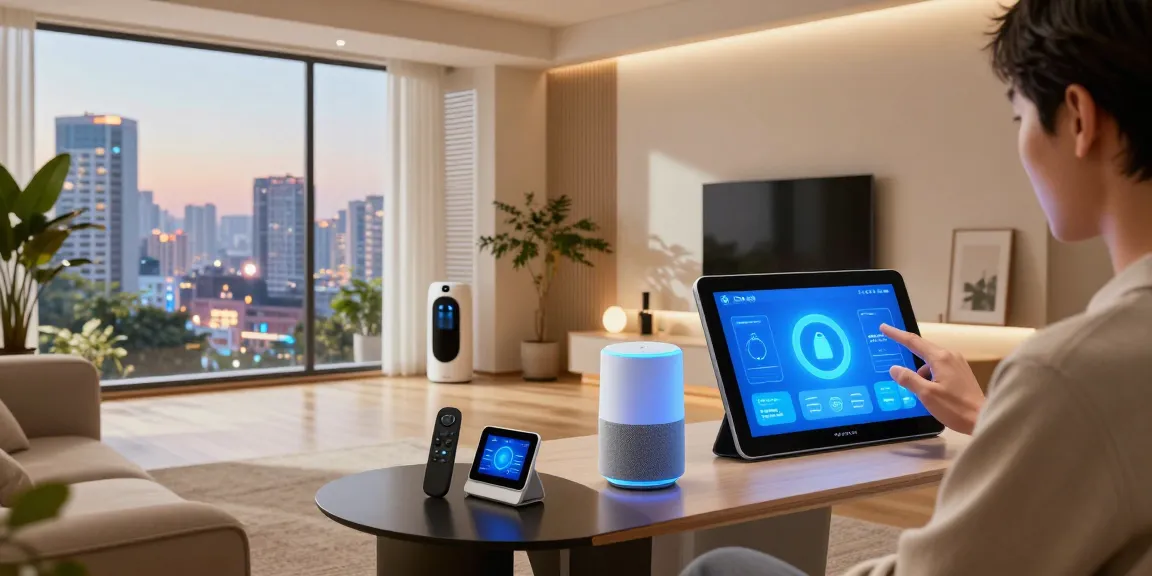
- Smart Homes: IoT devices like smart thermostats and security cameras enhance home automation.
- Healthcare: Wearable devices monitor health metrics and send real-time data to healthcare providers.
- Manufacturing: IoT in manufacturing facilitates predictive maintenance and optimizes supply chain management.
- Agriculture: Smart sensors help monitor soil conditions and crop health, leading to better yields.
Benefits of Implementing IoT Solutions
The integration of IoT solutions offers numerous advantages that can significantly impact both businesses and individuals alike.
Enhancing Efficiency and Productivity with IoT
IoT technologies streamline processes, reducing downtime and improving overall productivity. For example, smart factories utilize real-time data from machines to prevent breakdowns and optimize operations, leading to significant efficiency gains.
Improving User Experience Through Smart Devices
With IoT, users benefit from improved experiences; smart home devices allow for personalized environments, while wearables deliver health insights directly to consumers, enhancing lifestyle choices.
Cost Savings and Resource Management in IoT Systems
By optimizing resource use and reducing waste, IoT solutions can lead to substantial cost savings. For instance, smart cities utilize IoT sensors to monitor energy usage and traffic flows, resulting in more efficient public services and lower operational costs.
Challenges and Misconceptions About IoT
While IoT presents incredible opportunities, there are also challenges and misconceptions that need to be addressed.
Security Risks Associated with IoT Networks
The interconnected nature of IoT devices raises significant security concerns. Vulnerabilities in one device can compromise the entire network, making robust security measures essential.
Debunking Myths: IoT Complexity and Accessibility
A common misconception is that IoT systems are overly complex and only accessible to large enterprises. In truth, many IoT solutions are designed for scalability and affordability, making them available to small and medium-sized businesses.
Addressing Interoperability Issues in IoT Devices
Interoperability remains a challenge as many devices operate on different platforms. Enhanced standardization and protocols will be crucial in ensuring seamless communication across devices in the IoT ecosystem.
Best Practices for Successful IoT Implementation
To leverage the full potential of IoT, following best practices for implementation is vital.
Step-by-Step Guide to Integrating IoT Solutions
The integration process involves several phases: defining objectives, selecting the right technology, developing a robust infrastructure, and continuously monitoring performance for adjustments.
Performance Metrics for Measuring IoT Success
Key performance indicators (KPIs) such as data accuracy, response time, and user engagement should be established to assess the success of IoT initiatives.
Case Studies: Successful IoT Deployments in 2026
Case studies from 2026 highlight successful IoT deployments across various sectors. For example, a logistics company implemented IoT tracking for shipments, reducing delivery times by 30% and enhancing customer satisfaction.
Future Trends in IoT Technology
The IoT landscape is continuously evolving, with several trends emerging that will shape its future.
Emerging Technologies Shaping the Future of IoT
Technologies such as artificial intelligence (AI), machine learning, and blockchain are increasingly integrating with IoT, enhancing its capabilities and security.
Predicted Trends in IoT Adoption by 2026
By 2026, IoT adoption is expected to escalate, driven by advances in 5G technology, which will facilitate faster data transfer and lower latency.
Preparing for the Next Wave of IoT Innovations
Businesses should prepare for upcoming innovations by investing in IoT research and development and fostering a culture of continuous learning and adaptation.
What Industries are Most Affected by IoT?
Industries such as manufacturing, healthcare, and agriculture are significantly impacted by IoT due to their reliance on data-driven decisions and efficiency improvements.
How Can IoT Transform Everyday Life?
IoT is set to revolutionize everyday life through innovations in smart homes, personalized healthcare, and improved urban living conditions.
What Are the Key Security Measures for IoT?
Essential security measures include implementing encryption, regular firmware updates, and establishing strong access controls to safeguard IoT networks.
How Is IoT Enhancing Data Analytics?
IoT enhances data analytics by providing real-time data streams, allowing for more accurate predictions and informed decision-making across various sectors.
What Role Does 5G Play in IoT Development?
5G technology plays a pivotal role in IoT development by offering high-speed connectivity that allows for the efficient transmission of large datasets and supports a higher density of connected devices.