
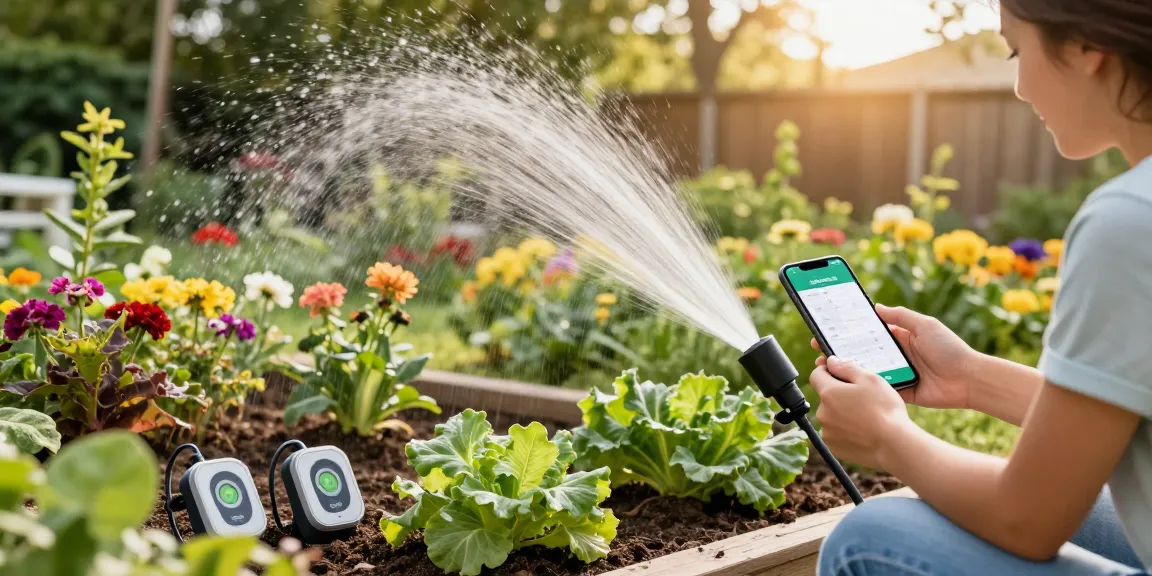
Understanding Rainpoint Irrigation Controllers
In the modern age, efficient gardening practices often hinge on the use of advanced technology, particularly when it comes to irrigation. Rainpoint irrigation controllers exemplify this technological evolution, providing garden enthusiasts with the tools they need to maintain vibrant, healthy gardens while conserving water. As you explore options, rainpoint Irrigation Controllers offer comprehensive insights into smart watering solutions tailored for every gardener’s needs.
What Are Rainpoint Irrigation Controllers?
Rainpoint irrigation controllers are smart devices designed to automate the watering process of gardens and landscapes. These controllers utilize technology to ensure that plants receive the right amount of water at the appropriate times, optimizing irrigation schedules based on real-time environmental conditions. Featuring options like Wi-Fi connectivity, soil moisture sensors, and intuitive mobile apps, Rainpoint controllers allow users to manage their irrigation systems remotely and effectively.
Key Features and Benefits Explained
With a broad range of features, Rainpoint irrigation controllers deliver numerous benefits:
- Efficiency: These controllers help eliminate overwatering and underwatering by providing precise water management.
- Smart Technology: With Wi-Fi capabilities, gardeners can monitor and adjust their irrigation settings via smartphone apps from anywhere.
- Water Conservation: By optimizing water usage, Rainpoint controllers contribute to sustainable gardening practices, saving both water and money.
- User-Friendly Interface: Many models come with easy-to-read displays and simplified installation processes, making them accessible to both novices and experienced gardeners.
How Rainpoint Can Transform Your Garden Experience
Utilizing Rainpoint irrigation controllers can drastically change how you maintain your garden. Traditional watering methods often require extensive manual labor and careful monitoring. In contrast, Rainpoint technology enables a “set-it-and-forget-it” approach. For instance, users have reported significant reductions in their watering time and improved plant health due to more consistent watering schedules. Imagine a garden that thrives without the constant worry of whether your plants are getting enough water or if you are wasting resources.
Setting Up Your Rainpoint System
Step-by-Step Installation Guide
Installing a Rainpoint irrigation controller can be accomplished in a few simple steps:
- Choose the right model for your garden’s needs and make sure you have all the necessary tools.
- Follow the manufacturer’s instructions to connect the controller to your water supply, ensuring all fittings are tight and leak-free.
- Install any additional sensors, such as soil moisture sensors, to enhance automation.
- Download the Rainpoint app to configure your settings.
- Set your desired watering schedule based on your plants’ needs and local weather conditions.
Common Setup Issues and Solutions
While the setup process is generally straightforward, users may encounter common issues:
- Wi-Fi connectivity: Ensure your Wi-Fi network is strong and close to where you install the device. If issues persist, reboot your router or consult the troubleshooting guide.
- Leakage: Double-check that all connections are fitted properly; sometimes, using Teflon tape can help secure loose fittings.
- Sensor calibration: If the soil moisture sensor isn’t reading correctly, recalibrate it according to the instructions.
Connecting to Wi-Fi and Using the App
Connecting your Rainpoint controller to Wi-Fi enhances its functionality. The app allows users to manage their irrigation schedules easily. After setting up the controller, follow these steps:
- Open the Rainpoint app and create an account if you haven’t already.
- Select “Add Device” and follow the prompts to link the controller to your Wi-Fi network.
- Once connected, you can monitor water usage, adjust irrigation times, and receive alerts on moisture levels.
Optimizing Water Usage with Rainpoint
Understanding Soil Moisture Sensors
Soil moisture sensors play a critical role in optimizing irrigation. By accurately measuring the moisture levels in the soil, these sensors help determine when watering is necessary, thus preventing overwatering. Users can set specific moisture thresholds that, once crossed, trigger the irrigation system automatically. This feature assures that plants thrive without wasting water, aligning well with sustainable gardening practices.
Creating Efficient Watering Schedules
To create an efficient watering schedule, consider the following:
- Understand your plant types and their specific watering needs.
- Utilize the data from soil moisture sensors to adjust your watering frequency.
- Incorporate seasonal changes; plants may need more water in the summer and less in the winter.
Tracking Water Consumption for Better Management
One of the most significant advantages of Rainpoint controllers is their ability to track water consumption. By analyzing your usage data, you can make informed decisions about watering schedules and adjust them to suit your garden’s changing needs. This feature not only helps in keeping your plants healthy but also aids in reducing water bills.
Maintaining Your Rainpoint Irrigation System
Regular Maintenance Tips for Longevity
Maintaining your Rainpoint irrigation system ensures its longevity and optimal performance. Consider these maintenance tips:
- Regularly check for leaks and repair any damaged hoses or fittings.
- Clean the filters and nozzles to prevent blockages.
- Periodically test the soil moisture sensors for accuracy.
Troubleshooting Common Problems
If you encounter issues with your Rainpoint controller, try these troubleshooting steps:
- If the system isn’t watering, check the water supply and power connections.
- Reboot the device by turning it off and on again.
- Consult the app for any error messages which may guide you on specific fixes.
Upgrading Rainpoint Products for Enhanced Performance
As technology evolves, Rainpoint frequently updates its products to include new features and improvements. Upgrading your system may include investing in newer soil sensors or additional controllers for larger gardens. This not only enhances performance but can also provide additional data analytics to refine your gardening techniques.
Future Trends in Smart Gardening Technology
Innovations on the Horizon for 2026
As we move towards 2026, the smart gardening industry is set to witness several innovations, including:
- AI Integration: Future controllers may utilize artificial intelligence to predict watering needs based on weather patterns and plant growth.
- Advanced Sensors: Next-gen sensors may provide real-time data on nutrient levels and pH, giving gardeners comprehensive insights into soil health.
- More User-Friendly Apps: Expect apps with enhanced interfaces, improved functionality, and better integration with smart home systems.
How Smart Irrigation Supports Sustainable Practices
Smart irrigation technology significantly contributes to sustainable gardening practices by minimizing water consumption and reducing runoff. By using Rainpoint systems, gardeners can efficiently manage their water resources, ensuring that plants receive the necessary hydration without environmental impact.
The Role of Smart Tech in Modern Gardening
The integration of smart technology into gardening is transforming the way people interact with their outdoor spaces. Rainpoint irrigation controllers exemplify this evolution, providing intuitive solutions that make gardening more accessible and efficient. As more gardeners adopt these technologies, the benefits of smart irrigation will continue to grow, leading to healthier gardens and reduced environmental footprints.
What are the advantages of using Rainpoint Irrigation Controllers?
The advantages of Rainpoint irrigation controllers include increased efficiency in watering, reduced water wastage, and the convenience of managing irrigation remotely. Their intuitive design and smart features also provide peace of mind for gardeners, allowing them to focus on other activities without the constant worry of maintaining an effective watering schedule.
How do I set up my Rainpoint system?
Setting up a Rainpoint system involves choosing the right controller, installing it according to the manufacturer’s instructions, connecting it to your Wi-Fi network, and configuring your watering schedules via the Rainpoint app. Users can easily follow the step-by-step guides provided for a smooth setup experience.
Can I control my Rainpoint products remotely?
Yes, one of the key benefits of Rainpoint irrigation controllers is their Wi-Fi connectivity, enabling users to control their systems remotely through the Rainpoint app. This allows for real-time adjustments and monitoring of soil moisture levels and water consumption from anywhere.
What maintenance does a Rainpoint system require?
Maintaining a Rainpoint system is relatively straightforward, involving regular inspections for leaks, cleaning filters and nozzles, and testing soil moisture sensors. Routine maintenance ensures longevity and optimal performance of the irrigation system.
Are there future developments for Rainpoint irrigation technology?
Yes, Rainpoint is continually innovating, with future developments likely to encompass advanced artificial intelligence features, improved sensor technologies, and enhanced user interfaces in their mobile applications. These developments will further empower gardeners to optimize their irrigation practices.