
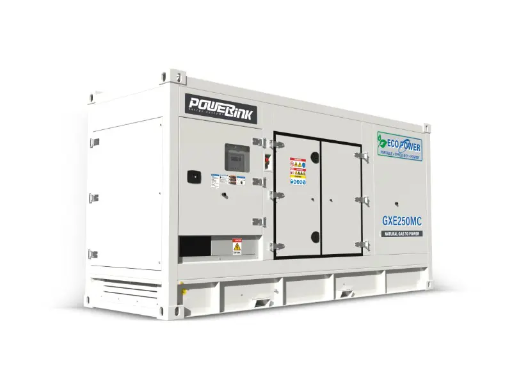
Modern industries are constantly looking for smarter ways to improve energy efficiency, reduce operating costs, and maintain reliable power supplies. Traditional energy systems often generate electricity and heat separately, which can lead to wasted energy. Combined Heat and Power (CHP) offers a more efficient approach by producing both electricity and useful heat from a single energy source.
CHP systems are becoming an important solution for industrial facilities, commercial buildings, and large-scale operations. By using advanced technology gas engine generator, these systems help organizations achieve better energy performance while supporting long-term sustainability goals.
Understanding Combined Heat and Power (CHP)
Combined Heat and Power, also known as cogeneration, is a process that generates electricity and thermal energy at the same time. Instead of allowing heat produced during electricity generation to go unused, CHP systems capture and reuse it for heating, cooling, or industrial processes.
A typical CHP system uses a power generation unit, such as a gas engine generator, to produce electricity. The heat created during the process is recovered and used within the facility, allowing businesses to achieve higher overall efficiency compared to conventional energy methods.
Why CHP Is Becoming Important for Modern Industries
Industrial facilities require large amounts of electricity and heat to support daily operations. Manufacturing plants, hospitals, data centers, and processing facilities often depend on continuous energy availability.
Traditional power systems may experience energy losses because electricity generation and heating systems operate separately. CHP technology solves this challenge by combining both processes into one integrated system.
This approach helps industries improve reliability, reduce energy waste, and gain more control over their power management.
Benefits of CHP Systems for Businesses
Improved Energy Efficiency
One of the biggest advantages of CHP is its ability to maximize fuel utilization. Since electricity and heat are produced together, less energy is wasted during the generation process.
A gas powered generator used within a CHP system can provide consistent electricity while allowing recovered heat to support other facility requirements. This improves overall energy efficiency and helps businesses make better use of their fuel resources.
Lower Operating Costs
Energy expenses are a major concern for industrial users. CHP systems can help reduce electricity costs by generating power on-site instead of relying completely on external grids.
By using recovered thermal energy, businesses can also reduce the need for separate heating equipment. Over time, this can result in significant savings in fuel consumption and maintenance expenses.
Reliable Power Generation
Power interruptions can affect production schedules, equipment performance, and business operations. CHP systems provide a dependable energy source that helps facilities maintain continuity.
With a properly designed system, industries can continue operating during grid instability and reduce the risks associated with unexpected power failures.
Environmental Advantages
Many organizations are focusing on cleaner and more responsible energy solutions. CHP technology supports these goals by improving fuel efficiency and reducing unnecessary energy losses.
Using natural gas-based systems can also help facilities lower emissions compared to some traditional fuel options, making CHP a practical step toward more sustainable operations.
Common Applications of CHP Technology
CHP systems are used across various industries where both electricity and heat are required. Common applications include:
- Manufacturing facilities
- Food and beverage processing plants
- Hospitals and healthcare centers
- Commercial buildings
- Universities and campuses
- Data centers
- Industrial production sites
These environments benefit from CHP because they require continuous energy supply and efficient thermal management.
Choosing the Right CHP Power Solution
Selecting the right CHP system depends on several factors, including facility size, energy demand, fuel availability, and operational requirements.
Businesses should evaluate system capacity, efficiency ratings, maintenance support, and long-term performance before making a decision. A well-designed CHP solution should provide reliable energy while matching the specific needs of the facility.
Modern CHP systems also include advanced monitoring and control features that allow operators to track performance and optimize energy usage.
The Future of Combined Heat and Power Systems
As energy demands continue to increase, CHP technology is expected to play a greater role in industrial energy strategies. Businesses are seeking solutions that offer reliability, efficiency, and better resource management.
With advanced equipment and improved system designs, CHP provides a practical way to support modern energy needs while reducing operational challenges.
Conclusion
Combined Heat and Power systems provide industries with an efficient method of producing electricity and heat from a single source. By reducing energy waste, lowering costs, and improving reliability, CHP technology has become a valuable solution for modern facilities.
Whether a gas powered generator or another efficient energy source, CHP systems help businesses achieve better performance and long-term energy stability.