
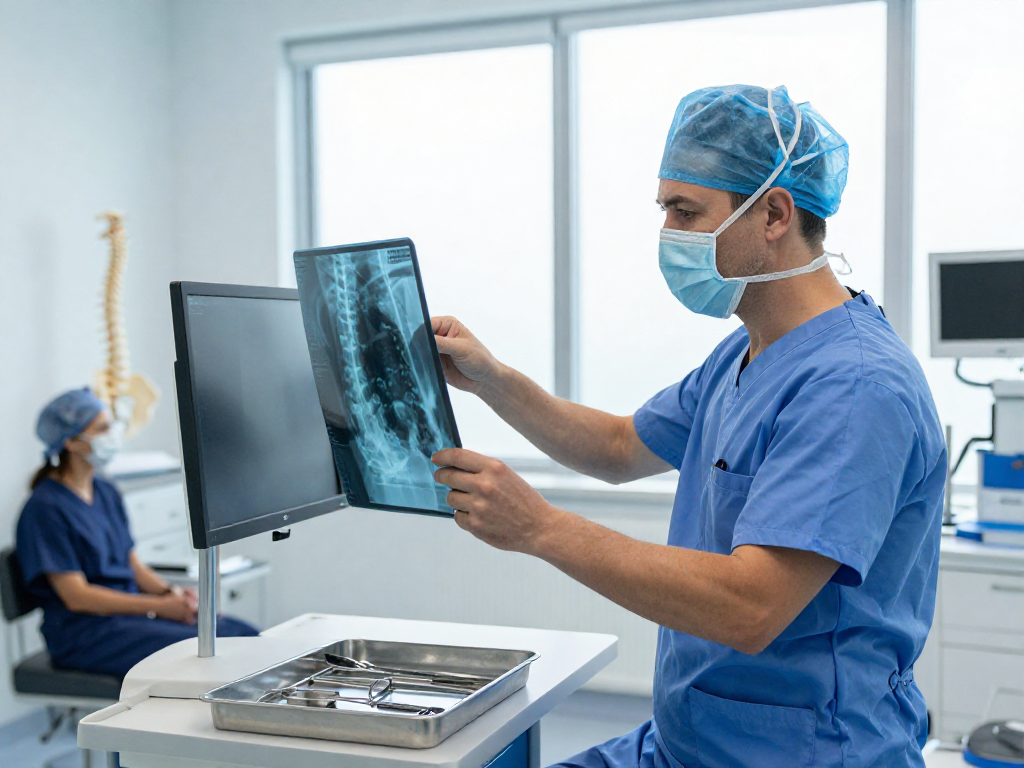
Understanding Bel Kayması: Causes and Symptoms
Bel kayması, medically known as spondylolisthesis, is a condition characterized by the forward displacement of one vertebra over another. This condition primarily occurs in the lumbar region of the spine and can lead to significant discomfort, mobility issues, and neurological symptoms due to nerve compression. Understanding the causes and symptoms of bel kayması is crucial for early intervention and effective treatment. When exploring options, Bel kayması ameliyatı provides comprehensive insights into managing this condition effectively.
What is Bel Kayması?
Bel kayması occurs when one of the vertebrae in the lumbar spine slips forward, disrupting the normal alignment of the vertebral column. This misalignment can cause mechanical instability and potentially lead to chronic pain and other related health issues. It may result from various factors including traumatic injuries, degenerative diseases, or congenital conditions that affect spinal integrity.
Common Symptoms of Bel Kayması
- Lower Back Pain: The primary symptom experienced by individuals suffering from bel kayması is localized pain in the lower back, which may range from mild discomfort to severe pain.
- Radiating Pain: Pain may radiate down the legs, often mimicking sciatic pain due to nerve involvement.
- Stiffness and Reduced Mobility: Many patients experience stiffness in the lower back, particularly after prolonged periods of inactivity.
- Numbness or Weakness: Some individuals may notice tingling sensations or weakness in the extremities, resulting from nerve compression.
Risk Factors Contributing to Bel Kayması
Several risk factors can predispose individuals to bel kayması. These include age, as degenerative changes in the spine become more common with time, and sports participation, particularly in activities that involve repetitive stress on the lower back. Moreover, those with a familial history of spondylolisthesis or congenital spinal deformities are at increased risk.
Diagnosis and Evaluation of Bel Kayması
A comprehensive evaluation is essential for diagnosing bel kayması accurately. This typically involves a detailed medical history, physical examination, and advanced imaging techniques.
Initial Consultation and Symptoms Assessment
During the initial consultation, a physician will assess the patient's symptoms and medical history. Questions regarding the onset, duration, and characteristics of the pain will help formulate a preliminary diagnosis. Understanding the patient's lifestyle and physical activities can also provide insight into potential risk factors.
Diagnostic Imaging Techniques
To confirm the diagnosis, physicians often rely on imaging techniques such as X-rays, MRI, or CT scans. These modalities can help visualize the extent of vertebral displacement and identify any associated degenerative changes in the spine.
Understanding the Severity of Bel Kayması
Bel kayması is graded based on the degree of vertebral slip, ranging from Grade I (less than 25% slip) to Grade IV (more than 75% slip). The severity of the condition significantly influences treatment decisions and prognostic outcomes.
When is Bel Kayması Ameliyatı Necessary?
Surgical intervention may be necessary in cases where conservative treatments have failed or if there is significant neurological compromise. Understanding when surgery is warranted can lead to better outcomes for patients with bel kayması.
Indications for Surgery: Understanding the Need
Indications for surgical intervention include persistent pain not alleviated by conservative measures, progressive neurological deficits, and debilitating functional limitations. The decision for surgery should involve a thorough evaluation of the patient's condition and lifestyle goals.
Can Bel Kayması Resolve on Its Own?
In some cases, mild forms of bel kayması may stabilize without surgical intervention. However, it's essential to monitor the condition closely, as it can lead to further complications if left untreated.
Non-Surgical Treatment Options
Conservative management typically involves physical therapy, chiropractic adjustments, and pain management strategies. Patients may also benefit from lifestyle modifications aimed at improving spinal health and reducing strain on the lower back.
Procedure and Techniques of Bel Kayması Ameliyatı
Understanding the surgical procedure for bel kayması is critical for patients considering this treatment option. The operation typically aims to relieve pressure on the nerves and stabilize the spine.
Overview of Surgical Approaches
Surgical techniques may vary depending on the severity of the condition and the specific anatomical challenges presented. Common approaches include spinal fusion, where adjacent vertebrae are permanently joined, and decompressing surgery to relieve nerve pressure.
What to Expect During the Surgery
The procedure is generally performed under general anesthesia, and patients can expect to stay in the hospital for observation following the surgery. The typical duration of the surgery may range from a few hours to several, depending on the complexity.
Post-Operative Care and Recovery Plan
Post-operative care involves monitoring for complications and rehabilitation to restore function. Patients will be advised on physical therapy exercises to enhance mobility and strengthen the surrounding musculature.
Cost and Insurance Considerations for Bel Kayması Ameliyatı
The financial aspect of undergoing bel kayması ameliyatı can be a significant concern for patients. Understanding the costs involved and potential insurance coverage can alleviate some of this stress.
Factors Influencing the Cost of Surgery
The cost of surgery can vary widely based on numerous factors, including the type of facility, the complexity of the procedure, surgical materials required, and geographical location.
Insurance Coverage and Patient Responsibility
Patients are encouraged to check with their insurance providers regarding coverage for bel kayması surgery. Policies may differ significantly, and understanding one’s coverage limits can help prepare for any out-of-pocket expenses.
Financial Planning for Surgery
Financial planning for surgery should include consultations with financial advisors if necessary, exploring payment plans, and understanding potential subsidies or financial aid from healthcare facilities.
FAQs about Bel Kayması Ameliyatı
What is the success rate of Bel Kayması Ameliyatı?
Success rates for bel kayması surgery are generally high, with many patients reporting significant relief from pain and improved mobility post-operatively.
How long is the recovery period after surgery?
The recovery period can vary based on individual health and the extent of the surgery. Most patients can expect to return to normal activities within a few months, but full recovery may take longer.
What are the potential risks associated with the surgery?
While surgery is often necessary and effective, potential risks include infection, blood clots, nerve damage, and persistent pain. Discussing these risks with a healthcare provider is crucial prior to proceeding.
Can physical therapy aid in recovery post-surgery?
Yes, physical therapy is a vital component of recovery, helping to regain strength, flexibility, and mobility while minimizing the risk of complications or recurrence.
Are there alternatives to surgery for treating Bel Kayması?
Yes, patients should discuss all treatment options with their healthcare provider, including non-surgical modalities that may be effective depending on the severity and individual presentation of bel kayması.. Additionally, Bel kayması ameliyatı provides further details.