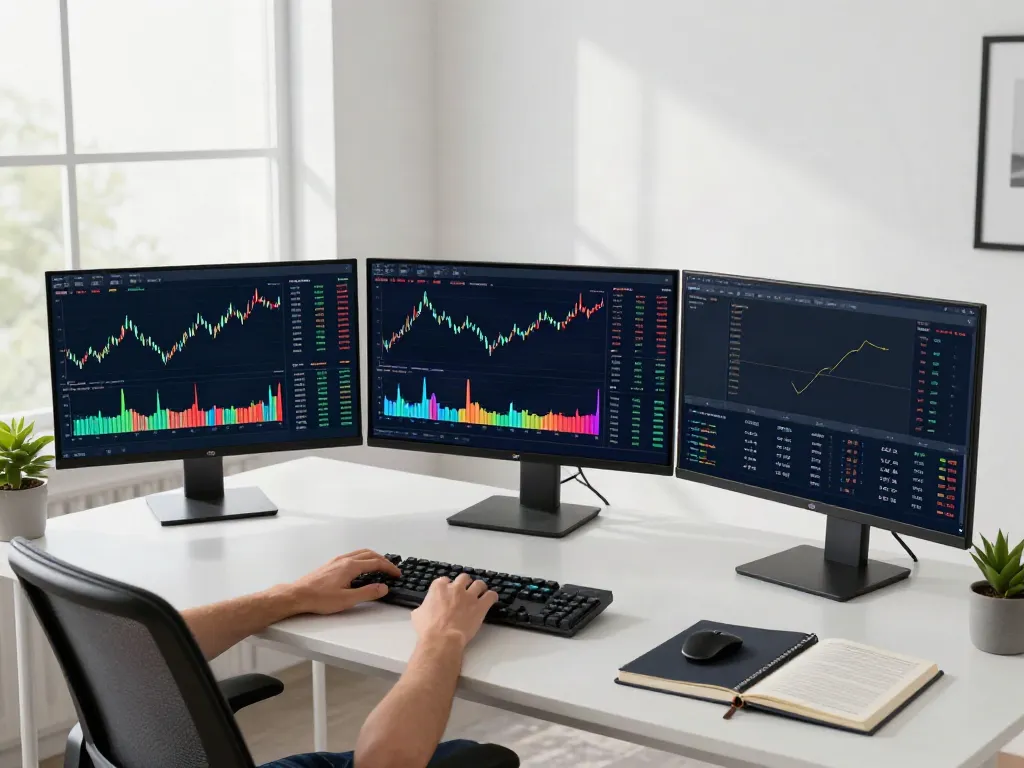

Understanding Forex APIs and Their Importance
In the ever-evolving landscape of financial markets, developers and trading professionals are continuously seeking innovative tools to enhance their trading strategies. One such tool that has gained immense popularity is the Forex API. These application programming interfaces empower traders and developers to access real-time data, historical rates, and other essential trading information directly into their applications. By using APIs specifically tailored for foreign exchange, such as the offshore CNY forex API, users can improve their decision-making processes and streamline their trading operations effectively.
What is a Forex API?
A Forex API is a set of protocols and tools that allow users to interact with Forex market data. By leveraging these APIs, traders can pull live exchange rates, historical data, and even advanced analytical tools directly into their platforms. This capability facilitates a much more responsive trading environment, enabling developers to create sophisticated algorithms that can execute trades automatically based on predefined criteria.
Benefits of Using Forex APIs in Trading
- Real-Time Data: Access to live currency exchange rates and market trends enhances the ability to make informed trading decisions.
- Automation: APIs allow for automated trading strategies, reducing the need for manual intervention and increasing efficiency.
- Flexibility: Developers can customize their trading applications to meet specific requirements, integrating unique features and functionalities based on user needs.
- Comprehensive Data Access: Users gain access to a wealth of information, including historical data, technical indicators, and market depth, all of which are crucial for making educated trading decisions.
Key Features of Offshore CNY Forex API
One of the standout features of the offshore CNY forex API is its extensive coverage of over 150 global currency pairs. This wide-ranging access allows traders to explore various markets without needing multiple data sources. Additionally, the API boasts millisecond-level latency, ensuring that users receive the most timely data possible for their trading strategies. With support for WebSocket push technology and RESTful API queries, this solution accommodates a variety of integration methods, making it adaptable to any trading platform.
Getting Started with Offshore CNY Forex APIs
Setting Up Your Trading Environment
Before diving into the technical aspects of the offshore CNY forex API, it is crucial to establish a robust trading environment. This involves selecting the appropriate platform that supports API integration and ensuring that your system meets any necessary technical specifications. Once your environment is set up, you can begin exploring the full range of functionalities offered by the API.
Integrating APIs into Your Trading Platform
Integration is a critical step in leveraging the capabilities of any Forex API. To connect the offshore CNY forex API to your trading platform, you will typically need to authenticate your API key, which is provided upon registration. Following authentication, developers can utilize various programming languages, such as Python or JavaScript, to make API calls and fetch the desired data.
Initial Steps for Data Retrieval
With your API successfully integrated, you can start retrieving data. The first step often involves making a simple GET request to pull current exchange rates. As you become more familiar with the API, you can explore advanced queries that allow for historical data retrieval, market analysis, and other essential functionalities.
Maximizing Performance with Real-Time Data
Understanding Latency and Its Impact
Latency is a crucial factor in Forex trading, as even the slightest delay can affect trading outcomes. The offshore CNY forex API is designed to minimize latency, delivering data updates in real-time. Understanding how latency impacts trade execution can help traders optimize their strategies to take advantage of market fluctuations instantly.
Utilizing WebSocket Push for Instant Updates
One of the key benefits of using the offshore CNY forex API is its support for WebSocket push technology. This feature allows users to receive real-time updates without having to repeatedly query the server for new data. By implementing WebSocket connections, traders can remain informed of market changes as they occur, enabling timely and strategic trading decisions.
Collecting Historical Data for Analysis
While real-time data is vital, historical data is equally important for understanding long-term market trends. The offshore CNY forex API facilitates the retrieval of historical exchange rates, allowing traders to analyze past performance and identify patterns that could inform future trades. When combined with advanced technical analysis tools, historical data can serve as a solid foundation for successful trading strategies.
Technical Analysis and Market Trends
Implementing Technical Indicators via API
Technical indicators are essential tools for analyzing market trends and potential price movements. The offshore CNY forex API provides access to various technical indicators, enabling traders to implement strategies based on data-driven insights. Common indicators include moving averages, RSI, and MACD, which can help traders determine entry and exit points based on historical price movements.
Identifying Market Trends with Real-Time Data
Market trends are crucial for predicting future price movements. By utilizing the real-time data available through the offshore CNY forex API, traders can effectively identify both short-term fluctuations and long-term trends. Analyzing these trends helps in making informed decisions, ultimately improving the success rate of trades.
Best Practices for Analyzing Forex Data
- Combine Multiple Indicators: Relying on a single indicator can lead to false signals. Using a combination helps confirm trends and enhances decision-making.
- Regularly Update Strategies: The Forex market is dynamic; therefore, regularly reviewing and adjusting trading strategies based on current data is crucial.
- Monitor Economic Events: Economic indicators and news events can have significant impacts on currency pairs. Understanding these events and integrating them into your analysis can improve performance.
The Future of Forex Trading: Trends for 2026
Emerging Technologies in Forex Trading
The Forex industry is on the brink of a technological revolution, with trends such as artificial intelligence and machine learning beginning to reshape trading strategies. These technologies promise to enhance predictive analytics and automate trading strategies, allowing traders to respond to market conditions more effectively. As we approach 2026, staying ahead of these trends will be vital for success.
Regulatory Changes Impacting Offshore Trading
As regulatory environments evolve, understanding how these changes affect offshore trading is essential. Traders should stay informed about compliance requirements and potential implications for their trading operations. This awareness will help mitigate risks associated with compliance issues and enable traders to adapt their strategies in response to regulatory changes.
Predictions for Currency Pair Performance
Forecasting currency pair performance involves analyzing a multitude of factors, including geopolitical events, economic data releases, and market sentiment. Leveraging real-time data provided by APIs like the offshore CNY forex API can significantly enhance the ability to predict currency movements accurately. By incorporating analytical tools and continuous market monitoring, traders can better position themselves to capitalize on emerging opportunities.
What are the benefits of using an offshore CNY forex API?
Using an offshore CNY forex API offers various advantages, including access to a diverse range of currency pairs, low latency data, and the ability to automate trading strategies. This combination allows traders to enhance their decision-making processes and improve overall trading performance.
How to choose the best forex API for my trading needs?
When selecting a Forex API, consider factors such as data coverage, latency, ease of integration, and available support. Evaluating these aspects against your specific trading requirements can help ensure that you choose the API that best suits your needs.
What technical skills are needed to work with forex APIs?
Working with Forex APIs typically requires a background in programming and a good understanding of financial markets. Programming languages like Python, JavaScript, or C# are commonly used for API integration and data analysis.
Can I use a forex API for automated trading?
Yes, Forex APIs are often used for automated trading. By setting up algorithms that execute trades based on predefined criteria, traders can take advantage of market opportunities without manual intervention.
What are the common challenges when integrating forex APIs?
Challenges commonly faced during integration include managing latency, ensuring data accuracy, and navigating authentication processes. Understanding these challenges and preparing for them can lead to a smoother integration experience.